What makes the work recognizable before anyone reads the caption.
Editorial · Documentary · Commercial
Moments that feel like movies. Stories worth telling.
A personal site built as an editorial system. Less portfolio wall, more atmosphere, intention and clarity. Made to position a way of seeing — and turn that vision into selected collaborations.
Editorial-first
Built around rhythm, space, photography and cinematic narrative.
Clearer structure
Same world, better hierarchy, stronger flow and cleaner code.
Mobile-native
Made to feel light, tactile and precise on phone first.

Creative direction, not just output
Brand worlds shaped through image, mood, pacing and perception.
Replicated in HTML
Single-file, responsive, semantic and ready to adapt into a deployable system.
About
A portfolio that behaves more like a journal than a brochure.
The original site already had something most portfolio sites miss: point of view. The goal here is not to flatten it into a cleaner template, but to preserve the atmosphere and give it a stronger system underneath. Better rhythm. Better semantics. Better conversion without turning it into a sales page.
Forbes
Architectural Digest
Travel + Leisure
Vision
The soul of a brand lives in what people feel, remember and pass on.
Instead of treating a brand as a logo, a feed or a campaign, this structure frames it as a body of perception. Identity, storytelling, experience, community and culture work together.
The thread that turns images into memory instead of decoration.
How a place unfolds. The pace of a day. The invisible part people actually remember.
The people who return because something about it felt true to them.
What lasts beyond the campaign: a point of view that keeps shaping perception.
Approach
Moving between editorial, documentary and commercial — without breaking the same direction.
This is where the site needed more than beauty. It needed structure. The new layout separates atmosphere, authority and conversion, while keeping the visual language soft, cinematic and human.
Editorial
Frames the world with intention. Sets tone, texture and perceived value.
Documentary
Keeps life inside the work. Gestures, movement, imperfections, truth.
Commercial
Makes the work usable. Clear enough to move decisions, not just admiration.
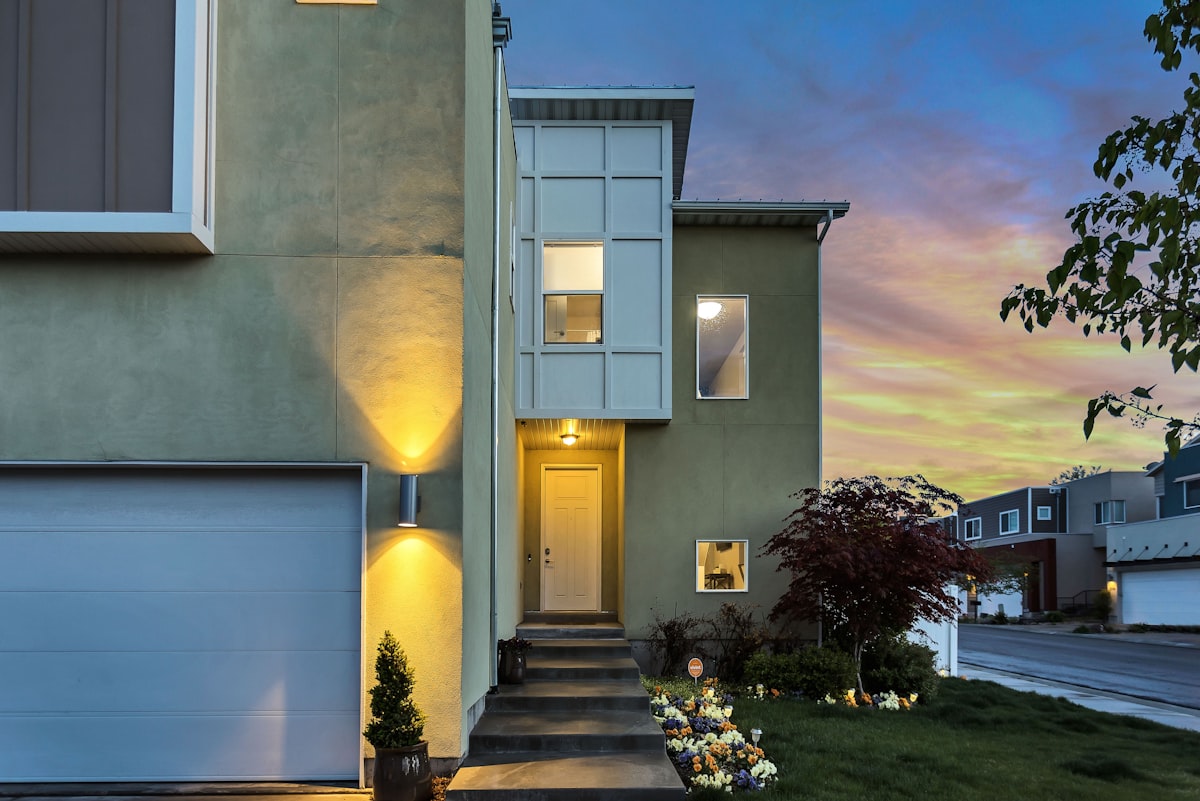



Selected work
Not a feed of everything. A tighter edit of what builds trust fastest.
One of the main shifts from the original logic: the portfolio is now grouped by intent. These are not just beautiful frames. They show range, consistency and the type of worlds this practice is built for.
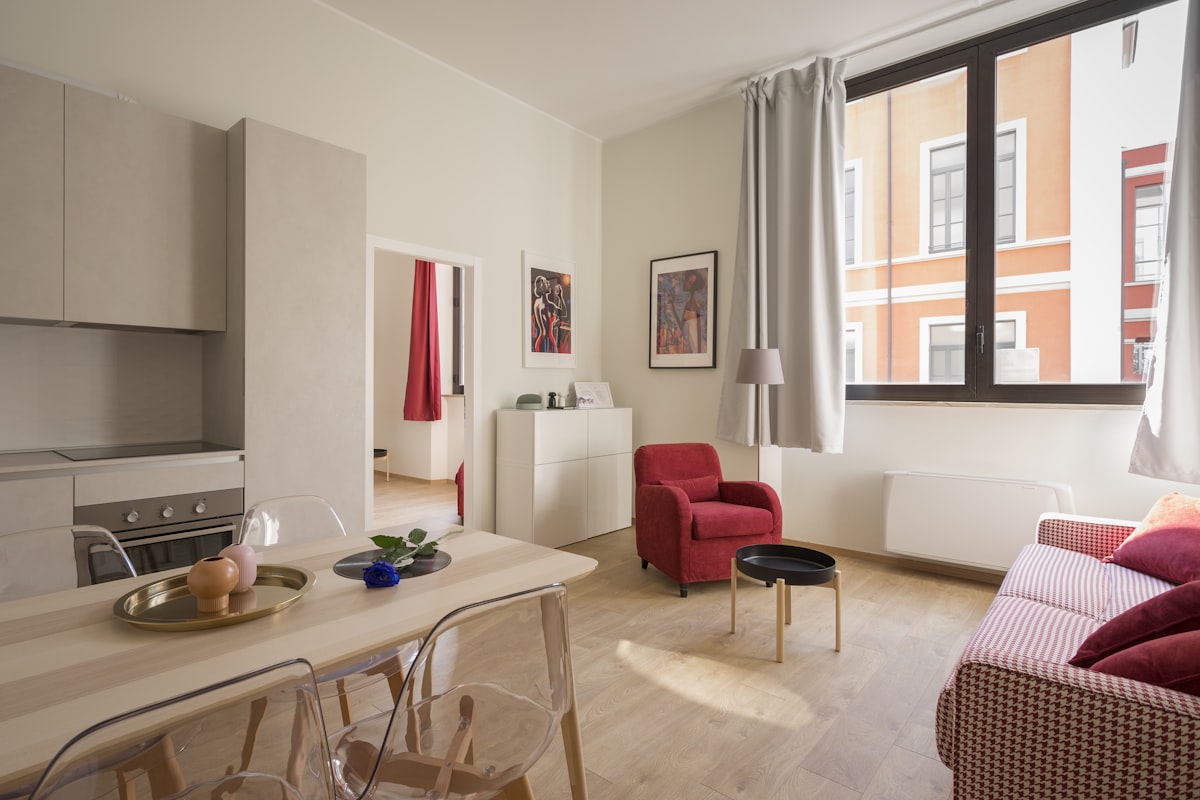
Hospitality
Spaces designed to be felt before they are explained
Interiors, architecture, light and quiet details that shape perception.

Food & beverage
Service, ritual and appetite as part of the brand world
Not product shots alone. A sense of hospitality held together by mood.

Destination
Landscape, horizon, travel and the emotional edge of place
Images that support positioning as much as they support desire.
Travel
A clearer layer for movement, destinations and lived context.
On the original site, travel and professional identity blended together. Here they still belong to the same world, but each one gets more breathing room. That makes the story stronger.
Tulum
Bacalar
Buenos Aires
Mexico City
People · Places · Culture

Journal fragment
Early light, open road, a place before language catches up
Travel as context for image, rhythm and memory.

People
Presence that gives scale and truth to the frame
Human presence without turning the work into performance.

Place
Material, weather, movement and silence in the same frame
The sensory layer that keeps work from feeling generic.
Journal
A compact editorial layer for thought, references and written perspective.
The original site already hinted at this. Here it becomes a sharper component: fewer entries, better hierarchy, cleaner preview structure.

Essay
Why some places stay with you long after the visuals fade
A short editorial reflection on memory, hospitality and atmosphere.

Reference
Editorial cues from architecture, design and lived spaces
Where visual references stop being moodboards and start becoming direction.

Process
How a visual world becomes useful without losing its soul
On turning taste into a system that can actually support a business.